
In this guide, I will show you what the best creatine in 2026 is. Maybe you are an experienced bodybuilder, or maybe you are just starting at the gym right now, but that is definitely not a problem. We are here to help you choose the best creatine that fits your needs.
What is Creatine?
Creatine is a naturally occurring compound found in small quantities in foods like red meat and fish; however, it is also produced by the body from amino acids.
How Does Creatine Work?
Creatine plays a very important role in the production of energy in muscle cells, especially during short and intense activity. Creatine helps regenerate ATP (Adenosine Triphosphate), which is the energy carrier inside your body’s cells. It is essential for powering biological processes such as nerve impulses, muscle contraction, and chemical synthesis. Creatine plays a key role in a person’s metabolism.
Types of Creatine
Creatine Monohydrate
This creatine is the most popular; it also offers the best value for money. It provides excellent strength and muscle gains per gram. It has the best benefits in terms of price, and it is very easy to find at any protein shop. The recommended daily dose is around 3g to 5g per day.
Creatine HCI (Hydrochloride)
Among creatine types, this one is very popular. This variety of creatine has many claims, one of which is that it dissolves more easily in liquid; however, it may have more impact on the stomach, so please use it in moderation. The recommended daily dose is around 1g to 2g per day.
Buffered Creatine
This type of creatine is ideal for people who have stomach issues. This creatine is mixed with an alkaline powder so that it has less impact on stomach acidity and eliminates side effects such as bloating.
Creatine Gummies
You will also find creatine in the form of gummies. For some people, it is much easier to take, and with the right taste, everyone will love it. Many flavors are available, such as strawberry, raspberry, watermelon, apple, lemon, or peach.
How to Choose the Right Creatine for You in 2026?
There are crucial factors to consider when choosing your creatine supplement. You should consider your goals—whether you want to gain muscle, improve strength, or enhance endurance. It is also important to take your age into account and whether you have a history of stomach problems.
If you hesitate then you should go to monohydrate creatine as more studies have been conducted about the supplement.
Factors That Influence Buying Creatine
Some people do not like capsules, tablets, or powder; gummies can be better for convenience. You need to analyze your preferences.
If you are looking for solubility, you should go for HCI creatine, as it has a faster absorption rate compared to other creatine types. Sensitivity may vary from person to person.
Creatine and Your Objectives
When choosing creatine, it is important to know what your objectives are. For example, if you are cutting, then you should look at HCI creatine, as it has lower levels of water retention. If your goal is to gain muscle mass, creatine monohydrate is a reliable and more cost effective option.
Benefits of Creatine
Cognitive benefits
Studies have proven that creatine improves short-term memory, enhances reasoning ability, reduces mental fatigue, increases mental processing speed, and improves performance under sleep deprivation.
Health benefits
Creatine provides increased muscle strength and improved muscle mass growth. It also helps improve cellular hydration and reduce muscle damage after intense exercise. There are many benefits, and it is a key supplement that every bodybuilder should include in their routine.
Creatine and aging
Studies have proven that creatine helps preserve muscle mass as you age and also helps reduce the risk of sarcopenia, which is an age-related condition characterized by muscle loss. Researchers have also found that creatine enhances recovery after physical activity.
Disadvantages and Safety Concerns About Creatine
Studies have proven that creatine contributes to water retention within the first weeks of supplementation and have also shown that this leads to temporary weight gain due to increased intracellular water. Individuals with kidney conditions should consult a doctor before using creatine.
Creatine and water retention
Scientists have proven in their studies that creatine increases phosphocreatine stores in muscle cells, and muscles may appear fuller due to the increased water content. Your body adjusts during the first weeks, and water balance typically stabilizes afterward.
How to Take Creatine
Research suggests that taking creatine post-workout with a meal or with carbs and protein can slightly enhance uptake due to the insulin response.
Consistency is the main factor for effective results.
Conclusion
If you liked this article, please subscribe to my blog. We have a lot of interesting content coming soon <3
Below are some products that you can buy directly from Amazon. Have a look.
|
|
| Image | Product | Features | Price |
|
Our Pick
1
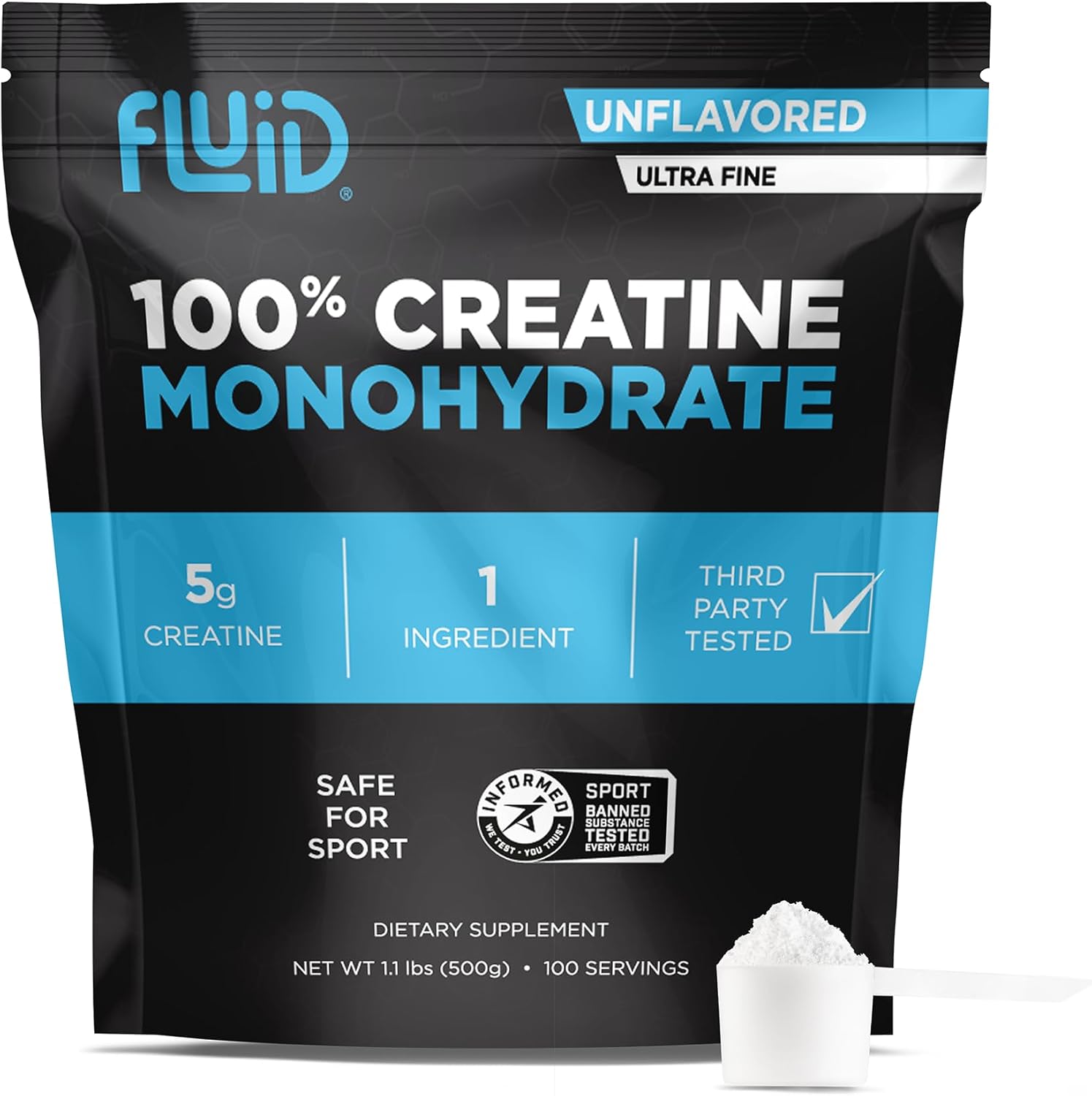 |
Fluid Creatine- Informed Sport Certified |
100% Monohydrate |
|
|
2
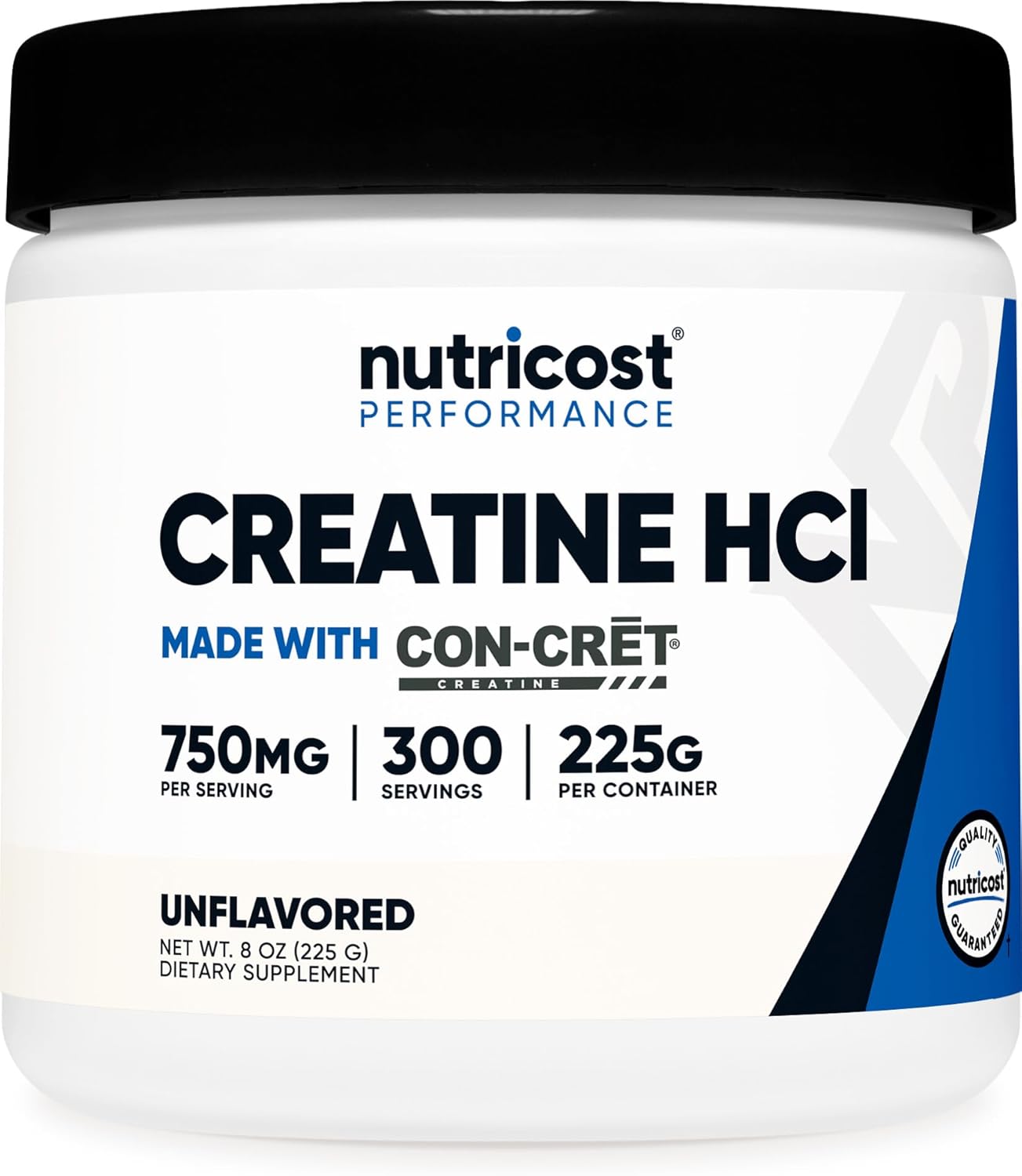 |
Nutricost Creatine HCl Powder (8 OZ) – 300 Servings |
HCl creatine |